
This post begins my ample research and travels through the thicket of previous works and findings that often contradict each other. I will try to understand where Slavs came from, why the government formation was so different for all of them, who they were influenced by, and many other questions I would like to uncover during my journey. Please join me on this travel.
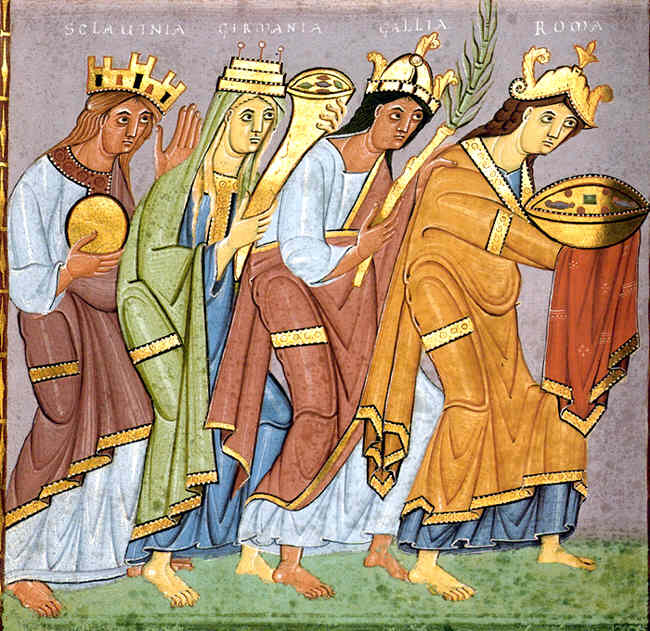
Introduction
Why Slavic costume? So this happened because my persona in SCA is Helga, the trader’s daughter who lives somewhere in Southern Kievan lands around the VIII-IX century.
Even though my persona is particular about the period and place, I would get driven toward other places and times because it’s shiny and exciting. I can potentially bring more clarity to the European and Asian ethnicities’ cultural, political, and social interactions.
People sometimes do not investigate the context of history or misplace the entire culture. What do you think of when you hear the word Slavs? If you think of Russians, Ukrainians, and Belorussians, no cookie for you. But I encourage you to read this research to learn more about this complex and fascinating culture. You will be satisfied.
This research also will be helpful for people who start their journey as a Slav persona but need help knowing where to start and what names, centuries, and territories to look into.
Who are the Slavs?
So, who are the Slavs? Where did they come from? Good question.
Many researchers through the centuries have come up with different theories. Some works assign slavs in the same category as celts or skiffs because of the language formation.
Let’s look at the first mention of the Slavs in foreign resources.
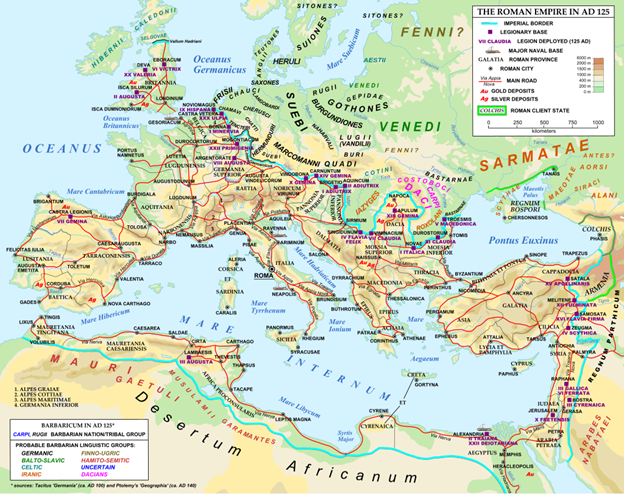
The first time the Slavs were called the Slavs was in the VI century by Byzantine scholar Procopius. He mentioned various phonetically close names for the Slavs in his History of Wars, like klaboi (Σκλάβοι), Sklabēnoi (Σκλαβηνοί), Sklauenoi (Σκλαυηνοί), Sthlabenoi (Σθλαβηνοί), or Sklabinoi (Σκλαβῖνοι) (Procopius, VII).
Around the V century, Slavs started their great migration to the northern, eastern, and southern lands, freed from the Germans, Huns, and other nations. From their original homeland, which is now the territories of Poland, North Ukraine, and Belarus, the Slavs spread over the Balkans, Bohemia, Moravia, Dnieper river, Semigallia, the eastern alp region, and even North Africa (Mallory).
Apparently, by that time, the Slavs were also starting to become a concern to Rome and the Byzantine empire. According to Stih, Pope Gregory I wrote to a bishop in Salona (Greece): “I am both distressed and disturbed about the Slavs, pressing hard on you. I am distressed because I sympathize with you; I am disturbed because they have already begun to arrive in Italy through the entry-point of Istria” (Štih, 2010).
After the migration, Slavs were split into three big ethnic groups today for classification – East Slavs, West Slavs, and South Slavs.
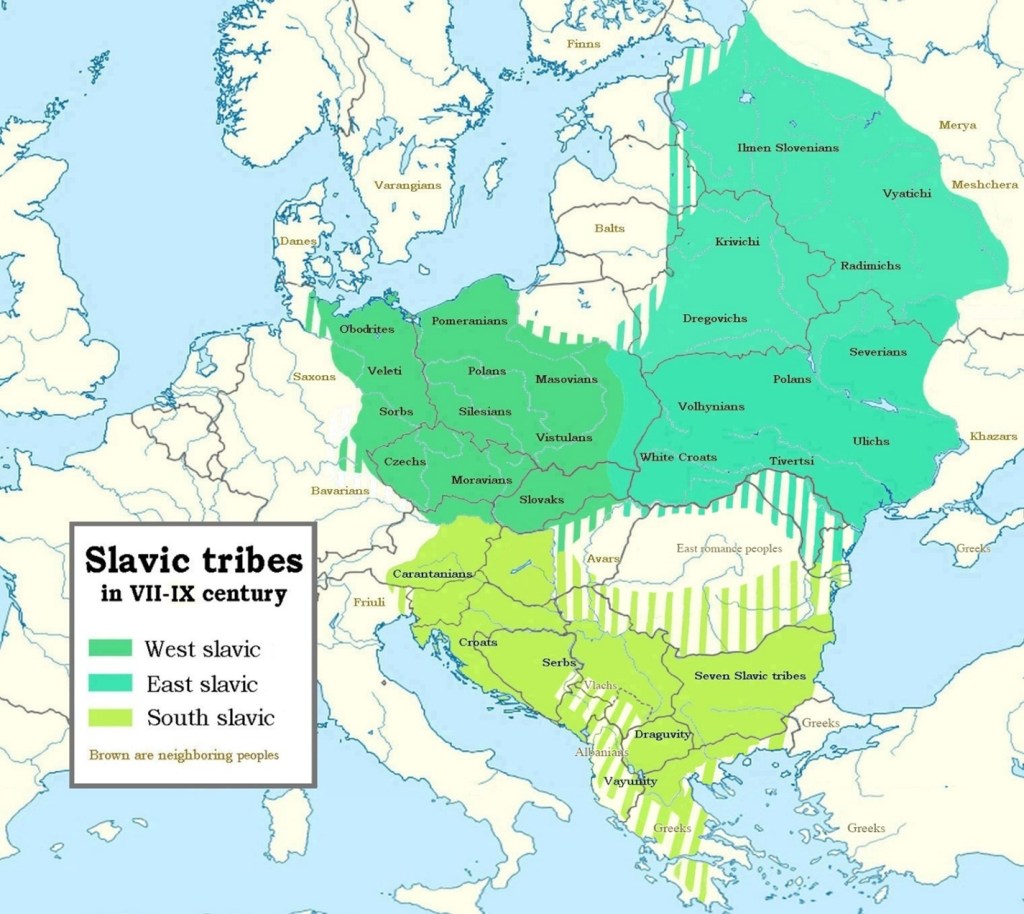
As you can tell from a ton of information above, the Slavs, by the time they came to places to settle, were under the influence of the Roman Empire, Germans, Saxons, Balts, and now they fell under the influence of the Middle East, Byzantine, African tribes and so on and so forth. Did I lose you yet? No? Then let’s continue.
After that, the tribes developed their centralized governments and connected with neighbors through trading and fighting over territories. They would consider their religion, and not all the Slavs would become Orthodox. Some would-be Catholics (primarily from western nations), and some would be Muslims. Will that affect their costumes? Absolutely. Do you know what else would affect the costumes? Weather. Weather conditions are so variously different for the given map that the southern Slavs would freeze to death in the land of East northern Slavs.
References
Langer, W. L. (1948). An Encyclopedia of World History. Harvard University.
Mallory, A. (n.d.). Encyclopedia of Indo-European Culture.
Procopius. (VII). History of Wars.
Sedov, V. V. (1979). Origin and Ancient history of Slavs.
Štih, P. (2010). V. Wiped Out By The Slavic Settlement? The Issue Of Continuity Between Antiquity And The Early Middle Ages In The Slovene Area.
 Phoenix Safe Place